

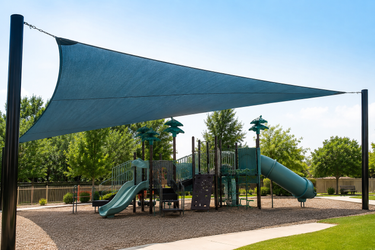
Shade Sail for Playground: Safe Sun Protection for Kids Outdoors
A shade sail for a playground is one of the most effective ways to create a safer and more comfortable outdoor play environment. By providing reliable playground sun shade, it helps reduce children's exposure to harmful UV rays, lowers the temperature of playground equipment, and encourages longer periods of outdoor activity. Whether for a backyard playset, daycare, school, or public park, selecting the right shade sail improves both safety and usability while maintaining an open, attractive outdoor space.
According to organizations such as the World Health Organization (WHO) and the American Academy of Dermatology (AAD), children are particularly vulnerable to ultraviolet (UV) radiation because their skin is thinner and more sensitive than adults'. Excessive UV exposure during childhood can contribute to cumulative skin damage over a lifetime. While sunscreen and protective clothing remain important, adding permanent kids outdoor shade is widely recognized as one of the most effective environmental measures for reducing direct sun exposure.
A properly installed shade sail for playground also improves the overall play experience. By lowering surface temperatures on slides, swings, and climbing structures, it creates a more comfortable environment during warm weather while maintaining airflow. Compared with solid roof structures, modern shade sails provide flexible coverage, contemporary aesthetics, and customizable sizes that suit a wide range of outdoor spaces.
Why Shade Matters for Kids' Play Areas
Outdoor play supports children's physical development, creativity, and social interaction. However, prolonged exposure to direct sunlight can make playgrounds uncomfortable and, in some cases, unsafe during peak daytime hours. Installing a shade sail for playground helps create a cooler environment where children can play more comfortably while reducing unnecessary UV exposure.
Unlike temporary umbrellas or portable canopies, a professionally designed playground sun shade offers consistent coverage throughout the day and can protect larger activity zones. Whether installed in a residential backyard or a school playground, shade sails provide a practical long-term solution that combines durability with visual appeal.
UV Risks for Children During Outdoor Play
Children often spend several hours outdoors each week, especially during spring and summer. During this time, ultraviolet radiation is typically strongest between late morning and mid-afternoon. Without adequate safe shade for children, repeated UV exposure may increase the risk of sunburn and long-term skin damage.
A well-positioned shade sail for playground helps reduce direct sunlight over frequently used areas such as swings, climbing frames, sandboxes, and picnic tables. Although no shade structure completely eliminates UV exposure due to reflected light, combining UV protection playground solutions with sunscreen, hats, and appropriate clothing provides a more comprehensive sun safety strategy.
For schools, childcare centers, and community parks, adding school playground shade sail systems also demonstrates a proactive approach to creating healthier outdoor environments for children and caregivers alike.
How Shade Sails Reduce Surface Temperature
One of the immediate benefits of installing a shade sail for playground is the reduction of surface temperatures on playground equipment. Direct sunlight can cause metal slides, plastic play panels, and rubber flooring to become significantly hotter than the surrounding air, increasing the likelihood of discomfort or minor contact burns.
By blocking a large percentage of solar radiation before it reaches the equipment, a playground sun shade helps keep these surfaces noticeably cooler. At the same time, breathable shade sail fabrics allow warm air to circulate, preventing heat from becoming trapped underneath the canopy.
This combination of sun protection and ventilation makes backyard play area shade especially valuable for families who want children to enjoy outdoor play for longer periods without excessive heat buildup. In schools and public playgrounds, cooler equipment can also encourage more consistent use throughout the day, even during warmer seasons.
What to Look for in a Playground Shade Sail
Not every shade sail is suitable for a children's play area. A high-quality shade sail for playground should provide reliable UV protection, withstand changing weather conditions, and maintain long-term structural stability. Since playgrounds are high-use environments, selecting the right fabric and installation system is just as important as choosing the right size.
Whether you are installing a backyard play area shade for a family or a school playground shade sail for a larger facility, evaluating key performance factors before purchasing can help reduce maintenance costs and improve safety over time.
UV Protection Rating: Why UPF 50+ Matters
The primary purpose of a shade sail for playground is to reduce children's exposure to harmful ultraviolet radiation. One of the easiest ways to evaluate a shade sail's performance is by checking its Ultraviolet Protection Factor (UPF) rating.
A fabric rated UPF 50+ blocks at least 98% of harmful UV radiation under standardized testing conditions, making it one of the highest protection levels available for outdoor shade products. For families, schools, and childcare centers, selecting a playground sun shade with a certified UPF 50+ rating provides greater confidence that children can enjoy outdoor activities with reduced direct sun exposure.
It is also important to remember that UV protection depends on proper installation. A correctly positioned shade sail for playground should cover the areas where children spend the most time, especially during peak sunlight hours when UV intensity is highest.
Breathable vs. Waterproof for Play Areas
One of the most common questions when choosing a shade sail for playground is whether breathable or waterproof fabric is the better option.
Breathable HDPE fabrics allow air to circulate freely while blocking a high percentage of UV rays. This improves ventilation and helps prevent heat from building up beneath the canopy, making breathable designs a popular choice for kids outdoor shade in warm climates.
Waterproof fabrics, on the other hand, provide protection from both sunlight and light rain. They are often selected for playgrounds that need year-round weather protection, such as daycare centers or outdoor learning areas. However, waterproof sails require proper slope and tension to ensure rainwater drains away efficiently.
The best option depends on the local climate, intended use, and maintenance preferences. Understanding these differences helps users choose the most appropriate UV protection playground solution for their environment.
Safety Clearance: Height and Edge Requirements
Proper installation height is an important safety consideration for every shade sail for playground. The sail should be positioned high enough to allow children to move freely underneath while preventing accidental contact with the fabric or hardware.
Professional installers typically recommend maintaining adequate clearance above climbing structures, swings, and slides while ensuring all supporting hardware remains outside normal play zones. This approach creates safe shade for children without introducing unnecessary hazards.
Edge positioning also deserves careful attention. Hardware, cables, and tensioning devices should never be located where children can easily reach or climb on them. Careful planning helps ensure that the playground sun shade enhances safety rather than creating new risks.
Durable Fabric That Withstands Active Use
Children's play areas experience frequent use throughout the year, making durability one of the most important purchasing considerations.
A high-quality shade sail for playground should be manufactured from UV-stabilized materials that resist fading, tearing, and weather-related deterioration. Reinforced stitching, strong corner webbing, and corrosion-resistant hardware all contribute to a longer service life.
For schools and public playgrounds, selecting commercial-grade materials can reduce long-term maintenance and replacement costs. Even in residential settings, investing in durable fabrics helps ensure that a backyard play area shade continues to perform reliably through changing seasons.
Choosing a well-constructed school playground shade sail also provides better long-term value by maintaining appearance, structural integrity, and UV protection over many years of outdoor use.
Best Shade Sail Shapes for Playgrounds
The shape of a shade sail for playground directly influences the amount of shade coverage, installation flexibility, and overall appearance. Different playground layouts require different configurations to maximize protection while maintaining open play spaces. Selecting the appropriate shape ensures that playground sun shade is distributed where children spend the most time.
Whether covering a compact backyard playset or a large school recreation area, matching the sail shape to the available space can improve both functionality and aesthetics.
Rectangle Sails for Swing Sets and Slide Areas
Rectangle shade sails provide the largest continuous coverage, making them an excellent choice for swing sets, climbing frames, slides, and picnic areas. Their extended design efficiently shades long or rectangular play zones while reducing the number of individual sails required.
For families creating a backyard play area shade, rectangular sails often offer the most practical balance between coverage and installation simplicity. They also work well in school playground shade sail projects where larger groups of children use multiple play structures simultaneously.
Because rectangle sails generate higher tension forces than smaller shapes, secure mounting points and high-quality hardware are essential for long-term stability.
Triangle Sails for Compact Backyard Play Corners
Triangle shade sails are a popular option for smaller residential play spaces where flexibility is important. Their compact design fits easily into irregular layouts and can be installed between existing posts, walls, or trees.
A triangle shade sail for playground works particularly well for sandbox areas, toddler play zones, or reading corners that require targeted shade instead of full-area coverage. The open edges also allow more natural light and airflow, creating a bright yet comfortable environment.
For homeowners with limited installation space, triangle sails provide an attractive kids outdoor shade solution without overwhelming the backyard landscape.
Overlapping Sails for Large Multi-Zone Play Areas
Large playgrounds often benefit from combining multiple shade sails rather than relying on a single oversized canopy. Overlapping sails create flexible shade patterns that cover different activity zones while adding architectural interest.
For example, one sail may protect swings, another may shade climbing equipment, while a third covers seating areas for parents or teachers. This approach allows designers to adapt the shade sail for playground system to changing playground layouts and sun angles.
Layered installations are commonly used in schools, childcare centers, and public parks because they improve UV protection playground performance while maintaining excellent ventilation beneath each sail.
How to Install a Shade Sail Over a Playground
Proper installation is just as important as choosing the right shade sail. Even premium materials cannot deliver reliable performance without secure support and correct tension. A well-installed shade sail for playground should remain stable in changing weather conditions while keeping all hardware safely away from children's play areas.
Before beginning installation, carefully evaluate the available anchor points, surrounding structures, prevailing wind direction, and drainage requirements. Good planning helps maximize both safety and service life.
Secure Mounting: Posts vs. Tree Anchors
Strong mounting points form the foundation of every successful playground shade installation. Steel or aluminum posts are generally considered the most reliable option because they provide predictable strength and long-term stability.
Although mature trees are sometimes used as natural anchor points, they should only be considered if they are healthy, structurally sound, and capable of supporting the expected loads. Trees also continue to grow, which may gradually affect tension and alignment over time.
For permanent playground sun shade systems, purpose-built posts usually provide a safer and more consistent solution than relying solely on existing trees.
Tension and Slope: Preventing Water Pooling
Correct tension helps maintain the shape of a shade sail for playground while reducing movement during windy conditions. Loose fabric may flap excessively, increasing wear on both the sail and the mounting hardware.
If waterproof fabric is selected, incorporating an appropriate slope allows rainwater to drain efficiently instead of collecting in the center of the sail. Water pooling increases structural loads and may shorten the lifespan of both the fabric and supporting hardware.
Regularly checking tension throughout the year ensures the backyard play area shade continues to perform safely as weather conditions and material tension naturally change over time.
Safety Checklist: No Sharp Edges, Stable Hardware
Every installation should include a final safety inspection before children begin using the playground. All bolts, turnbuckles, shackles, and mounting brackets should be tightened according to the manufacturer's recommendations and inspected for secure attachment.
Sharp edges, exposed wire ends, or low-positioned hardware should never be left within children's reach. Protective caps or covers can be used where appropriate to reduce accidental contact.
Routine inspections are equally important after installation. Checking for loose hardware, worn stitching, or signs of corrosion helps maintain safe shade for children while extending the service life of the entire shade sail for playground system.
Backyard Playground vs. Commercial Playground Shade
The ideal shade sail for playground depends on where it will be installed and how frequently it will be used. A residential play area has different performance requirements than a school, daycare, or public playground. Understanding these differences helps buyers choose the most appropriate design, fabric, and installation method.
While both applications aim to provide effective playground sun shade, commercial environments often require larger coverage areas, higher durability standards, and more rigorous maintenance plans.
Residential Scale: Custom Sizes for Home Playsets
Backyard playgrounds often feature unique layouts that include swing sets, climbing frames, trampolines, or sandboxes. Because every outdoor space is different, a standard-size shade sail may not always provide the best coverage.
A custom-sized shade sail for playground allows homeowners to maximize shade while working around fences, patios, trees, or existing landscaping. Choosing the correct dimensions also helps maintain proper tension and improves the overall appearance of the installation.
For families creating a backyard play area shade, custom solutions offer greater flexibility and can adapt to future changes in the outdoor living space.
Commercial Scale: Durability and Warranty Requirements
Schools, childcare centers, and public parks typically require shade systems that can withstand continuous daily use and changing weather conditions. In these environments, durability is often as important as UV protection.
A commercial school playground shade sail should use high-quality UV-stabilized fabric, reinforced stitching, and corrosion-resistant hardware to support long-term performance. Large installations may also require engineering considerations for local wind conditions and building regulations.
When comparing products, it is worthwhile to review warranty coverage, fabric specifications, and maintenance recommendations. Investing in a durable shade sail for playground can reduce replacement frequency and lower long-term operating costs.
DIY vs. Professional Installation for Playground Sails
Many homeowners successfully install a shade sail for playground as a DIY project, especially when covering a small backyard playset with existing mounting points. With careful planning, accurate measurements, and quality hardware, smaller installations can often be completed without specialized equipment.
However, larger or more complex projects may benefit from professional installation. Commercial playgrounds, schools, and parks usually require engineered mounting systems, concrete footings, and careful load calculations to ensure long-term safety and structural reliability.
Professional installers can also help determine the optimal sail height, orientation, and tension for maximum UV protection playground performance. For projects involving multiple sails or custom layouts, professional expertise often results in a more durable and visually balanced installation.
How to Maintain a Playground Shade Sail
Regular maintenance helps extend the service life of a shade sail for playground while ensuring it continues to provide reliable sun protection.
Inspect the fabric and hardware several times each year for signs of wear, loose fittings, or corrosion. Cleaning the sail with mild soap and water can remove dirt, pollen, and debris without damaging the material. Harsh chemicals or abrasive brushes should generally be avoided, as they may reduce the fabric's protective performance.
It is also important to check the tension periodically. Over time, normal weather conditions can cause slight changes in fabric tension, and minor adjustments may be needed to maintain the sail's shape and stability.
In regions that experience severe storms, heavy snowfall, or high winds, temporarily removing the sail when extreme weather is forecast can help prevent unnecessary stress on both the fabric and mounting hardware. Following the manufacturer's care recommendations will help preserve the appearance and functionality of your kids outdoor shade for many seasons.
Conclusion
Choosing the right shade sail for playground is an effective way to create a cooler, safer, and more comfortable outdoor environment for children. By considering factors such as UV protection, fabric type, sail shape, installation quality, and ongoing maintenance, homeowners, schools, and commercial facilities can build outdoor play spaces that support both safety and long-term durability.
For projects that require reliable materials and customized sizing, Sunlax Outdoor offers a range of custom shade sails and outdoor shade solutions designed for residential and commercial applications. With flexible sizing options and durable fabrics, the company provides practical products that can help create dependable playground sun shade systems tailored to different outdoor environments.