

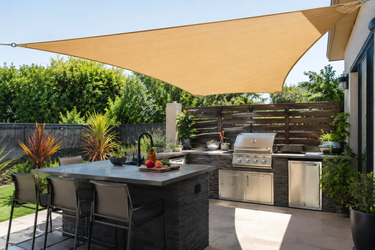
Shade Sail for Outdoor Kitchen: Design Ideas, Installation Tips & Material Guide
A shade sail for outdoor kitchen is one of the most practical upgrades for any outdoor cooking space. It improves comfort for the cook, protects outdoor furniture and appliances from prolonged UV exposure, and creates a more enjoyable environment for family gatherings. However, choosing the right outdoor kitchen shade involves more than simply covering the area. The layout, ventilation, material selection, and installation height all influence both safety and long-term performance.
This guide explains how to select the best BBQ area shade sail, compare breathable and waterproof materials, avoid common installation mistakes, and explore design ideas for different backyard styles. Whether you're planning a compact grilling station or a fully equipped outdoor kitchen, these recommendations will help you create a functional and attractive outdoor cooking area.
Why Every Outdoor Kitchen Needs Reliable Shade
Outdoor kitchens are designed for entertaining, but they also expose people and equipment to intense sunlight. A well-designed shade sail for outdoor kitchen reduces heat buildup while extending the lifespan of your outdoor investment.
According to the U.S. Environmental Protection Agency (EPA), prolonged ultraviolet (UV) exposure contributes to fading, material degradation, and increased heat absorption on outdoor surfaces. Proper shade can also reduce surface temperatures significantly compared to direct sunlight, making cooking and dining noticeably more comfortable.
Protecting People While Cooking
Standing over a hot grill during summer afternoons can quickly become uncomfortable.
A properly installed BBQ area shade sail helps by:
- Reducing direct sun exposure while preparing meals.
- Lowering perceived temperatures in cooking zones.
- Improving comfort during extended outdoor gatherings.
- Providing a more enjoyable environment for family and guests.
Although shade sails cannot eliminate heat generated by grills, they significantly reduce solar heat, making outdoor cooking less physically demanding.
Keeping Outdoor Furniture and Appliances Cooler
Outdoor kitchens often include refrigerators, cabinets, countertops, dining furniture, and decorative finishes.
Continuous UV exposure may contribute to:
- Color fading on cushions and fabrics.
- Higher surface temperatures on metal furniture.
- Faster aging of wood and composite materials.
- Increased heat around refrigerators and storage cabinets.
Installing an outdoor cooking area shade helps protect these investments while improving overall usability throughout the day.
Planning Shade Around Your Outdoor Kitchen Layout
Before selecting a shade sail for outdoor kitchen, it's important to evaluate how the kitchen is arranged. The ideal design depends on cooking equipment, traffic flow, ventilation, and nearby structures.
Island Kitchens vs. Wall-Mounted Kitchens
Island kitchens are open on multiple sides, making them ideal for larger triangular or rectangular shade sails supported by independent posts.
Wall-mounted kitchens usually allow one or two attachment points on the house, reducing the number of support poles needed while maintaining a clean appearance.
Regardless of layout, the sail should cover preparation and seating areas without interfering with cooking operations.
Allowing Space for Smoke and Ventilation
One of the biggest design considerations is airflow.
Outdoor grills produce heat, smoke, and grease vapor that need room to disperse naturally.
When planning patio kitchen shade ideas, consider:
- Leaving open sides for cross ventilation.
- Positioning sails to avoid trapping smoke.
- Maintaining adequate clearance above cooking equipment.
- Considering prevailing wind direction whenever possible.
Breathable fabrics are often the preferred choice for outdoor kitchens because they promote continuous airflow.
Avoiding Heat Traps Above the Grill
Heat naturally rises.
Installing a backyard kitchen canopy directly above a grill with insufficient clearance can create uncomfortable heat pockets and reduce ventilation efficiency.
Instead, designers often:
- Offset the sail slightly from the grill.
- Shade preparation and dining areas more than the cooking surface.
- Maintain generous vertical clearance.
- Use angled installations to encourage airflow.
This approach balances sun protection with safe cooking conditions.
Choosing the Right Shade Sail Material
Material selection has a direct impact on comfort, maintenance, durability, and weather performance.
Breathable HDPE for Better Airflow
High-density polyethylene (HDPE) remains one of the most popular materials for outdoor shade systems.
Its woven construction allows hot air to circulate while blocking a large percentage of harmful UV rays.
Advantages include:
- Excellent ventilation.
- Reduced heat buildup beneath the sail.
- Mold and mildew resistance.
- Lower wind resistance compared with solid fabrics.
- Ideal for warm climates and frequent grilling.
For many homeowners, breathable HDPE provides the best balance between shade and airflow for an outdoor kitchen shade.
Waterproof Shade Sails for All-Weather Cooking Areas
If your outdoor kitchen is designed for year-round entertaining, a waterproof shade sail for kitchen may be the better option.
Unlike breathable fabrics, waterproof sails prevent rain from reaching countertops, seating, and outdoor appliances.
They work especially well for:
- Permanent outdoor kitchens.
- Covered dining spaces.
- Outdoor bars.
- Entertainment patios.
However, waterproof fabrics require proper tension and slope to prevent water pooling. Adequate drainage planning is essential during installation.
| Feature | Breathable HDPE | Waterproof Fabric |
|---|---|---|
| Airflow | Excellent | Limited |
| Rain Protection | No | Yes |
| Heat Reduction | Excellent | Good |
| Ventilation Around BBQ | Excellent | Moderate |
| Best Use | Frequent grilling | All-weather entertaining |
Design Ideas for Different Outdoor Kitchen Styles
Choosing the right shade sail for outdoor kitchen isn't only about protection—it also contributes to the overall visual appeal of the space.
Modern Minimalist Patio
Modern outdoor kitchens often feature:
- Neutral color palettes.
- Stainless steel appliances.
- Clean architectural lines.
- Large rectangular shade sails.
Light gray, sand, or charcoal shade sails pair well with contemporary homes while maintaining an uncluttered appearance.
Rustic Backyard Kitchen
Rustic outdoor kitchens commonly use:
- Natural wood.
- Stone countertops.
- Brick pizza ovens.
- Timber pergolas.
A warm-colored backyard kitchen canopy complements these materials while adding soft shade without overwhelming the landscape.
Earth-tone sails also blend naturally with surrounding gardens.
Poolside Entertainment Area
Outdoor kitchens beside swimming pools require flexible shading that accommodates both cooking and relaxation.
Popular patio kitchen shade ideas include:
- Multiple overlapping triangle sails.
- Large rectangular sails over dining areas.
- Separate shade zones for grilling and lounging.
- Coordinated sail colors matching pool furniture.
This layered approach creates visual interest while allowing different areas to receive appropriate coverage.
Common Mistakes When Installing Shade Near a BBQ or Grill
Proper installation is just as important as choosing quality materials.
Mounting Too Low Above Heat Sources
A shade sail for outdoor kitchen should never be positioned too close to grills or fire features.
Excessive heat may:
- Accelerate fabric aging.
- Reduce coating lifespan.
- Increase grease accumulation.
- Create uncomfortable cooking conditions.
Maintaining generous vertical clearance improves both safety and ventilation.
Blocking Smoke Ventilation
Smoke needs an escape path.
Avoid completely enclosing cooking areas with low-mounted sails.
Instead:
- Leave at least one side open.
- Position sails away from chimney outlets.
- Angle the sail to encourage natural airflow.
- Consider breathable materials for high-use BBQ stations.
These simple adjustments significantly improve the cooking experience.
Choosing the Wrong Size or Shape
Oversized sails may interfere with nearby trees, roofs, or chimneys.
Undersized sails often leave preparation areas exposed during peak sunlight.
Before ordering a custom grill area shade, carefully measure:
- Attachment points.
- Desired shade coverage.
- Required tension distances.
- Safe clearance from cooking equipment.
Custom-sized shade sails often provide a cleaner fit than relying on standard dimensions.
How to Keep Your Outdoor Kitchen Shade Looking New
Routine maintenance helps maximize the lifespan of any outdoor cooking area shade.
Cleaning Grease and Food Residue
Outdoor kitchens naturally produce grease particles that may settle on nearby fabrics.
To keep your sail looking its best:
- Brush away loose dirt regularly.
- Rinse with clean water.
- Wash using mild soap when necessary.
- Avoid harsh chemicals or abrasive brushes.
- Allow the fabric to dry completely before storage.
Periodic cleaning helps preserve both appearance and fabric performance.
Seasonal Inspection Around Cooking Areas
At least once each season, inspect your installation for signs of wear.
Pay attention to:
- Attachment hardware.
- Fabric tension.
- Stitching.
- UV-related fading.
- Nearby tree growth.
- Areas affected by grease accumulation.
Prompt maintenance prevents small issues from becoming costly repairs.
Final Thoughts
A thoughtfully designed shade sail for outdoor kitchen improves comfort, protects outdoor investments, and creates a more enjoyable space for cooking and entertaining. By selecting the right material, planning for proper ventilation, and installing the sail with appropriate clearance around grills, homeowners can build an outdoor kitchen that performs well throughout the seasons.
If you're looking for custom sizing, multiple fabric options, and shade solutions tailored to different outdoor layouts, Sunlax Outdoor offers a wide selection of custom and ready-made shade sails that can accommodate everything from compact BBQ stations to large backyard entertainment areas.
FAQ: Shade Sails for Outdoor Kitchens
Can a shade sail be installed above a BBQ?
Yes, but it should maintain adequate clearance above heat sources and allow smoke to escape freely.
Is breathable or waterproof material better?
For frequent grilling, breathable HDPE generally provides superior airflow. A waterproof shade sail for kitchen is better suited for outdoor dining spaces that require rain protection.
How high should a shade sail be above an outdoor kitchen?
The exact height depends on grill type, ventilation needs, and local building requirements. In general, higher installations provide better airflow and reduce heat accumulation.
Can I leave my shade sail up year-round?
Many high-quality shade sails are designed for long-term outdoor use. However, homeowners in regions with heavy snow, severe storms, or extreme weather should follow the manufacturer's maintenance and seasonal removal recommendations.
Should I choose a custom shade sail?
Custom sizing often provides better coverage, improved tension, and a cleaner appearance, especially for outdoor kitchens with unique layouts or multiple cooking zones.