

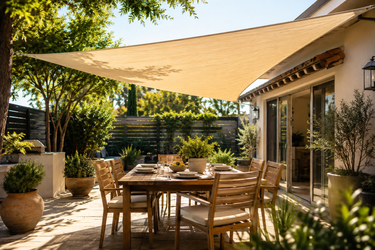
How to Create Shade for an Outdoor Dining Area: Design Ideas & Buying Guide
A great outdoor dining area isn't defined by its table or chairs—it's defined by how comfortable people feel spending time there. Without adequate shade, direct sunlight can quickly turn a relaxing lunch into an uncomfortable experience, while prolonged UV exposure gradually damages outdoor furniture and décor. That's why choosing the right shade for outdoor dining area should be one of the first steps when planning a patio or backyard dining space.
The ideal solution balances comfort, durability, and appearance. It should provide enough coverage for both the table and surrounding seating, allow airflow on warm days, and complement the overall design of your home. According to the U.S. Environmental Protection Agency (EPA), limiting exposure to ultraviolet (UV) radiation helps reduce health risks while also protecting outdoor materials from premature aging. With thoughtful planning, a well-designed shade system can make your patio more comfortable throughout the day and encourage more frequent outdoor entertaining.
Why Shade Makes Outdoor Dining More Comfortable
Outdoor dining is most enjoyable when guests can focus on the meal rather than the weather. While no shade solution can change the temperature outside, it can significantly improve how the space feels by reducing direct sunlight and creating a cooler, more inviting environment.
Reducing Heat While Dining Outdoors
Hard surfaces such as stone patios, concrete, and wooden decks absorb heat throughout the day and radiate it back into the surrounding area. Combined with direct sunlight, this can make an outdoor dining space feel much warmer than the actual air temperature.
A well-planned patio dining shade blocks much of this direct solar exposure before it reaches the dining table. Breathable shade fabrics are particularly effective because they reduce heat while still allowing fresh air to circulate. The result is a space that remains comfortable for longer meals, family gatherings, and weekend entertaining without feeling enclosed.
Protecting Food, Furniture, and Guests from UV Exposure
Shade provides more than personal comfort.
A quality shade sail for outdoor table helps:
- Slow fading of outdoor cushions and furniture
- Protect wooden tables from prolonged sun exposure
- Keep food and beverages cooler during gatherings
- Reduce guests' direct exposure to harmful UV rays
Many premium HDPE shade fabrics are engineered to block a high percentage of UV radiation while maintaining airflow, making them ideal for dining areas.
Choosing the Best Shade Solution for Your Dining Space
There are several popular patio shade solutions, but each works differently depending on your outdoor layout and long-term needs.
Shade Sails vs. Umbrellas vs. Pergolas
| Option | Advantages | Limitations |
|---|---|---|
| Shade Sail | Large coverage, modern appearance, custom sizing, good airflow | Requires mounting points |
| Patio Umbrella | Easy to move, affordable | Limited coverage, affected by wind |
| Pergola | Permanent structure, architectural appeal | Higher installation cost |
For homeowners looking to cover larger dining spaces without adding bulky structures, a custom shade sail for patio often provides an excellent balance between functionality and appearance.
Which Option Fits Your Patio Layout?
Different spaces require different approaches.
Choose a shade sail if:
- Your dining table stays in one location.
- You want maximum usable shade.
- Your patio has walls, posts, or existing mounting points.
Choose an umbrella if:
- You need portable shade.
- Your seating layout changes frequently.
- Only a small table requires coverage.
A pergola may be the better option when planning a permanent outdoor living area with integrated lighting and climbing plants.
Planning a Shade Sail Around Your Dining Table
Selecting a shade sail for outdoor table is only the first step. The way it's positioned has a direct impact on comfort, coverage, and long-term performance.
Selecting the Right Size and Shape
Many homeowners choose a sail that's roughly the same size as their dining table, but this often leaves chairs exposed once they're pulled out for use. A better approach is to select a sail that extends beyond the edges of the table, creating shade for both seated guests and the surrounding circulation space.
As a practical guideline:
- Extend coverage about 2–3 feet (60–90 cm) beyond each side of the dining table whenever possible.
- Choose a rectangular sail for larger family dining areas and a triangular sail for compact patios.
- Leave enough space around the edges for proper tensioning during installation.
A well-sized sail not only improves comfort but also creates a more balanced appearance, making the entire shade for outdoor dining area feel intentionally designed rather than simply covered.
Positioning Shade Throughout the Day
The position of the sun changes from morning to evening, so centering a shade sail over the dining table doesn't always provide the best coverage. Instead, think about when the space is used most often. If your family usually enjoys dinner outdoors, prioritize protection from the afternoon sun rather than early morning light.
It's also worth observing how nearby trees, walls, or neighboring buildings cast shadows throughout the day. In some cases, a slight adjustment to the installation angle can provide noticeably better coverage without increasing the sail size. Positioning the sail with a gentle slope also improves water runoff for waterproof fabrics and helps maintain proper tension over time.
Maintaining Comfortable Head Clearance
A shade sail should create protection without making the patio feel enclosed. Installing it too low can reduce airflow and restrict movement, while placing it too high allows more direct sunlight to reach the table. Aim for enough clearance so guests can stand, move chairs, and carry food comfortably. If you plan to add string lights or hanging décor later, leave additional space during installation. Small adjustments like these help create a dining area that feels open, functional, and comfortable throughout the season.
Design Ideas for Different Outdoor Dining Spaces
The best outdoor dining shade ideas are tailored to the size and purpose of the space. Rather than copying a single design, consider how your patio is used and choose a layout that supports both comfort and everyday practicality.
Small Apartment Patio Dining
Compact patios benefit from simple solutions. A triangular or narrow rectangular shade sail provides generous coverage without overwhelming the space, while light-colored fabric helps the area feel brighter and more open.
Choose space-saving furniture that can be folded or stacked when not in use, and keep decorative elements to a minimum. A few potted plants and soft lighting are often enough to create a welcoming dining corner.
Backyard Family Dining Area
A larger backyard dining area shade should comfortably cover the dining table as well as the chairs around it. Extending the shaded area beyond the furniture allows people to move freely during meals and makes the space more comfortable when entertaining guests.
To create a cohesive outdoor setting, consider adding:
- Warm string lights for evening dinners.
- Planters or greenery to soften hard surfaces.
- Weather-resistant cushions that complement the shade sail.
- An outdoor rug to define the dining zone.
These details enhance the atmosphere without making the space feel crowded.
Poolside Dining Space
Poolside patios receive reflected sunlight from the water, which increases both brightness and heat. Breathable fabrics are often the preferred choice because they reduce direct sun while allowing air to circulate freely.
Lighter-colored sails create a bright, resort-like atmosphere, while darker tones reduce glare during sunny afternoons. Whichever color you choose, coordinating it with the surrounding furniture and landscaping helps create a more polished outdoor entertaining area.
Creating an Outdoor Dining Space That Lasts
A comfortable dining area should continue performing well year after year. Durable materials and thoughtful finishing touches not only improve the appearance of the space but also reduce long-term maintenance.
Choosing UV-Resistant Fabrics and Colors
Outdoor fabrics are exposed to constant sunlight, changing weather, and daily use. Choosing materials designed specifically for outdoor environments helps maintain both appearance and performance over time.
Many homeowners prefer breathable HDPE shade fabric because it combines excellent UV protection with good airflow, making it well suited for warm climates. Neutral colors such as beige, sand, and gray also remain popular because they pair easily with different furniture styles and landscaping.
Lighting, Privacy Screens, and Decorative Touches
The most inviting outdoor dining spaces remain enjoyable after sunset. Soft lighting creates a warm atmosphere, while decorative plants add texture and seasonal interest without requiring major maintenance.
If privacy is a concern, adding a breathable outdoor privacy screen can help define the dining area while still allowing air to circulate. Combined with coordinated furniture and carefully chosen accessories, these features transform a simple patio into a comfortable space for everyday meals and special occasions.
Common Outdoor Dining Shade Mistakes
Even high-quality patio shade solutions can disappoint if they're installed without proper planning. Avoiding a few common mistakes can make a significant difference in both comfort and durability.
Not Considering the Sun's Direction
Installing shade without observing how sunlight moves across the patio often results in uneven coverage. Spending a day monitoring sun patterns before installation can help you position the sail more effectively.
Choosing an Undersized Shade Sail
A sail that only covers the tabletop leaves chairs exposed during much of the day. Slightly increasing the coverage area creates a more comfortable shade for outdoor dining area, especially when entertaining larger groups.
Ignoring Seasonal Changes
The angle of the sun changes throughout the year, and nearby trees may provide shade in one season but not another. Planning for these seasonal differences helps your outdoor dining area remain practical over the long term.
Conclusion
Creating the perfect shade for outdoor dining area is about more than escaping the sun. By selecting the right shade solution, planning its placement carefully, and choosing durable materials, you can build an outdoor dining space that's comfortable, attractive, and enjoyable for years to come.
If you're looking for made-to-measure custom shade sails for patios or complementary privacy screens, Sunlax Outdoor offers customizable solutions designed to fit a wide variety of outdoor layouts while combining reliable performance with modern design.
FAQ: Shade for Outdoor Dining Areas
What is the best shade for an outdoor dining area?
For patios with a fixed dining layout, a custom shade sail for patio offers excellent coverage, good airflow, and the flexibility to fit different outdoor spaces.
How large should a shade sail be over a dining table?
Ideally, the sail should extend about 2–3 feet (60–90 cm) beyond each side of the table to provide shade for both the furniture and surrounding seating.
Is a shade sail better than a patio umbrella?
A patio umbrella is suitable for small, flexible seating areas, while a shade sail generally provides larger, more consistent coverage for permanent dining spaces.
Which fabric is best for outdoor shade?
UV-resistant fabrics designed for outdoor use, especially breathable HDPE materials, are widely chosen because they balance sun protection with airflow.