

Best Shade Sail Colors: Which One Provides the Best UV Protection?
The short answer is that darker shade sail colors generally provide better UV blocking performance because they absorb more solar radiation before it passes through the fabric. However, UV protection is not the only factor that matters. Heat buildup, visual comfort, maintenance requirements, and overall appearance can all influence which color is best for a particular outdoor space.
Whether you are installing a patio cover, pool shade, garden canopy, or commercial shading system, understanding how color affects performance will help you make a more informed decision.
Understanding How Shade Sail Colors Affect UV Protection
Many homeowners assume that all shade fabrics provide identical protection from the sun. While high-quality fabrics are designed to block a significant percentage of UV radiation, color still plays a role in overall performance.
Darker shade sail colors absorb more sunlight and typically reduce the amount of UV radiation passing through the fabric. This makes charcoal, dark gray, and black popular choices when maximum UV reduction is a priority.
However, lighter colors reflect more sunlight and often feel cooler underneath. The ideal solution depends on whether your primary goal is UV protection, thermal comfort, or a balance of both.
The Science Behind Color and Solar Radiation
Sunlight consists of visible light, ultraviolet radiation, and infrared energy. Different colors interact with these wavelengths differently.
Dark fabrics absorb a larger portion of incoming solar energy, reducing transmission through the material. Lighter fabrics reflect more sunlight back into the atmosphere, helping reduce surface temperatures.
How Heat Absorption Fabric Influences Comfort
The concept of heat absorption fabric is important when selecting shade materials.
A darker shade sail may provide excellent UV blocking performance but can become warmer during peak sunlight hours. Lighter colors can help create a cooler environment while still offering effective protection.
For this reason, many outdoor designers recommend balancing UV performance with comfort rather than focusing exclusively on one factor.
Comparing Popular Shade Sail Colors
Several colors consistently rank among the most popular choices for residential and commercial installations.
Charcoal and Dark Gray
Charcoal remains one of the most popular shade sail colors because it offers strong UV protection while complementing modern architecture.
These colors also reduce glare effectively and tend to hide dirt better than lighter fabrics.
Beige and Sand
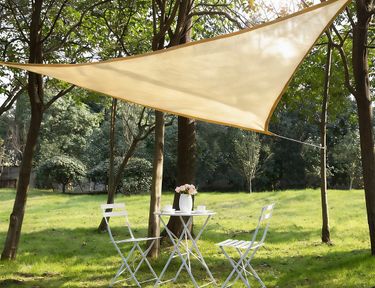
Beige and sand tones are frequently used for patios, outdoor dining areas, and garden spaces.
These colors create a warm, welcoming appearance while reflecting more sunlight than darker fabrics.
Many homeowners find that beige shades strike a practical balance between comfort and UV protection.
White Shade Cloth
A white shade cloth creates one of the brightest shaded environments available.
Because it reflects a large amount of sunlight, it often helps reduce temperatures underneath the structure. This makes it particularly attractive for poolside areas and warm climates.
A white shade cloth can also contribute to a clean, resort-style appearance that complements modern outdoor designs.
Green and Earth-Tone Fabrics
Green, brown, and other natural tones blend seamlessly into landscaped environments.
These colors are commonly used in gardens, parks, and outdoor recreational spaces where visual harmony with surrounding vegetation is important.
Quick Comparison of Popular Shade Sail Colors
| Color | UV Blocking Potential | Heat Retention | Glare Reduction | Maintenance |
|---|---|---|---|---|
| Charcoal | High | High | Excellent | Easy |
| Dark Gray | High | Medium-High | Excellent | Easy |
| Beige | Medium-High | Medium | Good | Easy |
| Sand | Medium-High | Low-Medium | Good | Easy |
| White | Medium | Low | Fair | Requires More Cleaning |
| Green | Medium-High | Medium | Good | Easy |
This comparison provides a general overview of how different shade sail colors perform in typical outdoor environments.
Which Shade Sail Colors Work Best for Different Applications?
The best color often depends on how the shade structure will be used.
Pool environments frequently benefit from lighter colors that maintain a bright, airy atmosphere.
Commercial outdoor dining spaces often favor darker colors that reduce glare and create a more sophisticated appearance.
Garden installations may prioritize natural-looking colors that blend with landscaping.
How to Choose the Best Shade Sail Color for Your Outdoor Space
Choosing among different shade sail colors becomes easier when practical requirements are considered alongside aesthetics.
| Priority | Recommended Colors | Why They Work |
|---|---|---|
| Maximum UV Protection | Charcoal, Dark Gray, Black | Absorb more sunlight and reduce UV transmission |
| Cooler Under-Sail Temperature | White, Beige, Sand | Reflect more sunlight and reduce heat buildup |
| Poolside Applications | White, Sand, Light Beige | Create a bright, resort-style appearance |
| Modern Architecture | Charcoal, Graphite, Gray | Complement contemporary homes |
| Garden Settings | Green, Brown, Earth Tones | Blend naturally with landscaping |
This approach helps homeowners identify the most suitable color without relying solely on appearance.
UV Protection vs. Temperature: Finding the Right Balance
One of the most common misconceptions is that maximum UV protection automatically results in the most comfortable outdoor space.
In reality, comfort depends on several factors, including airflow, fabric density, installation design, and color selection.
Breathable HDPE materials encourage air circulation while providing substantial UV protection. Combined with appropriate color choices, they can create highly comfortable outdoor environments.
Waterproof fabrics provide additional weather protection but may feel warmer when airflow is limited.
Why Fabric Quality Matters More Than Color Alone
While shade sail colors influence performance, fabric quality often has an even greater impact.
Commercial-grade shade fabrics are typically manufactured using UV-stabilized materials specifically engineered for long-term outdoor exposure.
A high-quality fabric can often outperform a lower-grade material regardless of color.
This is why homeowners should evaluate UV resistance ratings, construction quality, and durability in addition to color selection.
Five Factors to Consider Before Choosing a Shade Sail Color
Before making a final decision, consider the following:
- Home Architecture: Match the shade sail with exterior colors and roofing materials.
- Outdoor Furniture: Coordinated colors create a more unified appearance.
- Landscape Design: Consider how the fabric interacts with plants and surrounding greenery.
- Pool or Patio Materials: Decking and paving colors influence the overall visual effect.
- Maintenance Preferences: Lighter colors may require more frequent cleaning than darker options.
These considerations often have a greater impact on long-term satisfaction than small differences in UV performance.
Design Considerations Beyond UV Protection
Color selection should support the overall appearance of the outdoor space.
Modern homes often pair well with charcoal and gray tones, while Mediterranean-inspired properties frequently benefit from beige and sand-colored sails.
Pool areas commonly use lighter colors to create a bright, luxury-resort atmosphere.
Many designers recommend viewing shade structures as architectural features rather than simply functional accessories.
By coordinating colors with surrounding materials and landscaping, homeowners can achieve a more polished and cohesive outdoor environment.
Conclusion
If maximum UV reduction is your primary objective, darker shade sail colors such as charcoal and dark gray are often strong choices.
If maintaining cooler temperatures and a brighter outdoor atmosphere is equally important, lighter options such as beige, sand, or white shade cloth may offer a better balance.
Ultimately, the most effective shade solution combines high-quality materials, appropriate color selection, and professional installation. By considering UV protection, comfort, durability, and design together, homeowners can select a shade sail that delivers long-term performance and visual appeal.
For those looking for custom-sized shade sails in a wide range of colors, SUNLAX offers breathable HDPE and waterproof PES options designed to provide reliable sun protection while enhancing outdoor living spaces.