

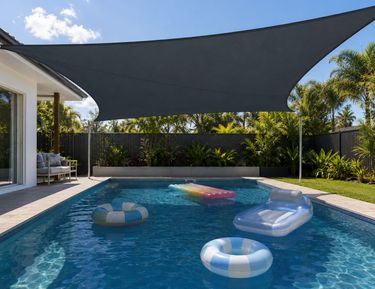
How to Create Shade for a Pool Area
Creating effective shade for a pool area is one of the best ways to improve outdoor comfort, reduce UV exposure, and make the space more enjoyable during hot weather. A well-designed shade system can also help protect poolside furniture, reduce surface temperatures around the pool, and improve the overall appearance of the backyard. For most residential and commercial projects, shade sails are considered one of the most flexible and visually modern options because they combine sun protection with customizable layouts.
Today, many homeowners use swimming pool shade covers and tensile shade systems to create cooler outdoor environments without fully enclosing the space. Compared with fixed pergolas or umbrellas, shade sails can cover larger areas while maintaining airflow and visibility around the pool.
Why Pool Areas Need High-Quality UV Protection
Pool areas are usually exposed to direct sunlight for long periods throughout the day. Water surfaces reflect UV radiation, which may increase overall exposure levels for swimmers and people relaxing nearby.
According to data from the World Health Organization, excessive UV exposure is associated with skin damage and long-term health risks. Around pools, reflective surfaces such as water, concrete, and light-colored decking can intensify sunlight exposure even further.
Installing swimming pool shade covers can help reduce direct UV exposure while improving comfort around seating and relaxation zones. Properly positioned shade sails may also reduce the surface temperature of pool decks and surrounding furniture.
For families with children, adding shade near shallow areas or lounge spaces creates more comfortable areas for resting between swimming sessions.
Benefits of adding shade around pools:
- Helps reduce direct UV exposure
- Improves comfort during peak sunlight hours
- Protects poolside furniture from fading
- Creates cooler seating and relaxation zones
High-quality outdoor fabrics are especially important in pool environments because constant exposure to sunlight, chlorine, humidity, and changing weather conditions can accelerate material wear over time.
The Best Shade Sail Layouts for In-ground and Above-ground Pools
The ideal shade sail layout depends on the shape of the pool, the surrounding structures, and the intended coverage area. Both in-ground and above-ground pools can benefit from customized shade systems when properly planned.
Recommended layout ideas for pool areas:
- Overlapping Rectangle sails for wider coverage
- Triangle sails for modern visual layering
- Mixed-height installations for better airflow
- Offset layouts to maintain open pool visibility
For rectangular in-ground pools, overlapping Rectangle shade sails are often used to create balanced coverage while maintaining an open appearance. Triangle shade sails can also be layered together to create a more dynamic architectural design.
Above-ground pools may require different installation strategies because the surrounding deck structure is usually smaller. In these cases, a combination of wall-mounted anchors and support posts can help create stable coverage without obstructing access around the pool.
A shade cloth pool cover should not block important sightlines around the water. Clear visibility is important for both safety and supervision, especially in family pool environments.
Custom sizing is often recommended because pool layouts vary significantly between properties. Tailored measurements help improve shade coverage while supporting proper tension and drainage performance.
Water-Resistant vs. Breathable: Which Fabric is Best for Poolside?
Choosing the right fabric is one of the most important decisions when designing a pool shade system. Most pool shade products are made from either breathable HDPE material or waterproof PES fabric.
Breathable HDPE fabrics allow air to circulate through the material surface. This improves airflow and helps reduce heat buildup underneath the canopy. In hot climates, breathable systems are often preferred because they create a cooler environment around the pool.
Waterproof PES fabrics provide rain protection in addition to UV reduction. These materials are useful for poolside seating areas, outdoor dining spaces, or lounge zones where users want to remain dry during light rain.
Key material differences:
- HDPE fabrics improve airflow and ventilation
- Waterproof PES blocks rain penetration
- Breathable materials often perform better in extreme heat
- Waterproof fabrics provide additional weather protection
A shade cloth pool cover made from breathable fabric may dry faster after rain or pool splashing, which can help reduce moisture buildup in humid environments.
The best option depends on climate conditions, local weather patterns, and the primary purpose of the outdoor space.
Choosing the Right Poolside Coverage Area
Many homeowners focus only on shading the water itself, but surrounding areas often require equal attention. Pool decks, lounge chairs, outdoor dining zones, and pathways may experience intense heat during summer afternoons.
A well-designed swimming pool shade cover should provide balanced coverage across both active and relaxation areas. In many projects, overlapping sails are used to create larger shaded zones without making the space feel enclosed.
The angle of the sails also affects shading performance throughout the day. Since sunlight direction changes over time, adjustable layouts or layered sail positioning can help maintain more consistent shade coverage.
Professional planning is especially useful for larger pool areas where multiple anchor points and varying heights are involved.
Safety Considerations: Ensuring Visibility and Stability Near Water
Safety should always remain a priority when installing shade structures near water. Proper installation helps prevent instability while maintaining clear visibility across the pool area.
One important consideration is maintaining strong anchor points. Shade sails generate tension loads, especially during windy conditions. Support posts, walls, or mounting structures must be strong enough to handle these forces safely.
Another important factor is visibility. Large solid canopies should not obstruct supervision around swimming areas. Breathable or carefully positioned shade systems help maintain open sightlines while still providing effective coverage.
Installation angle is also important. Pool shade sails are commonly installed with height differences between anchor points to improve water runoff and reduce the risk of sagging.
In strong wind or severe weather conditions, temporary removal of the shade sail may help reduce stress on both the fabric and supporting hardware.
Design Ideas: Creating a Resort-Style Oasis with Overlapping Sails
Modern pool shade designs often use overlapping sails to create a layered and visually dynamic outdoor environment. This approach helps create a resort-style appearance while also improving practical shade coverage.
Combining Triangle and Rectangle shade sails allows designers to create different levels of shading throughout the day. Varying installation heights can also improve visual depth and architectural interest.
Neutral fabric colors such as beige, gray, and sand are commonly used because they blend naturally with outdoor landscaping and pool environments. Darker colors may provide stronger shading, while lighter tones often create a brighter and more open atmosphere.
A customized swimming pool shade cover can also be integrated with pergolas, outdoor kitchens, and landscaping features to create a more cohesive backyard design.
For commercial spaces such as resorts, cafés, or hotel pools, overlapping sails are often used to separate lounge zones, dining spaces, and walking areas while maintaining an open-air atmosphere.
How to Maintain Your Pool Shade Sail to Prevent Mold and Mildew
Pool environments naturally contain higher moisture levels, so regular maintenance is important for maintaining the appearance and performance of outdoor shade fabrics.
Simple maintenance practices:
- Rinse off chlorine residue regularly
- Remove standing water after storms
- Keep proper sail tension to improve drainage
- Store the sail during severe weather conditions
Cleaning a shade cloth pool cover periodically helps remove chlorine residue, dust, leaves, and environmental debris that may accumulate on the surface. Mild soap and water are generally recommended for routine cleaning.
Proper tension is also important because sagging areas may trap water and increase moisture retention. Maintaining adequate slope and drainage helps reduce the risk of mold or mildew development over time.
For waterproof fabrics, ensuring proper runoff angles is especially important after heavy rainfall. Breathable fabrics typically dry faster due to increased airflow through the material surface.
When not in use during severe weather seasons, temporary storage may help extend the lifespan of the fabric and hardware components.
Under normal weather conditions, many outdoor shade fabrics provide an estimated service life of approximately 3–5 years depending on UV exposure, installation quality, and maintenance practices.
Conclusion
Creating effective shade for a pool area involves more than simply blocking sunlight. A properly planned shade system can improve comfort, reduce UV exposure, protect outdoor furniture, and enhance the visual appeal of the entire outdoor environment. Whether using breathable HDPE fabric or waterproof PES material, customized swimming pool shade covers provide flexible solutions for both residential and commercial spaces. For durable materials and customizable pool shade options, SUNLAX offers practical solutions designed to fit a wide range of outdoor layouts.