

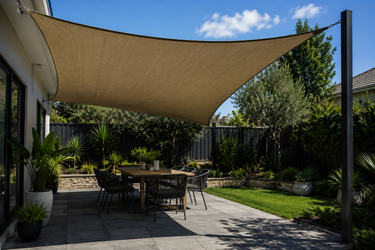
Can You Leave a Shade Sail Up All Year? Seasonal Care Guide for Longer Lifespan
Yes—but not always. Whether you can leave a shade sail up all year depends on the material, local climate, installation quality, and how well you maintain it. In mild weather, a high-quality shade sail can often remain installed year-round. However, regions with heavy snow, hurricanes, strong winds, or prolonged storms may require seasonal removal to prevent unnecessary damage.
Many homeowners planning a patio, pergola, pool, or backyard shade project ask, "Can you leave a shade sail up all year?" The answer isn't simply yes or no. A durable HDPE(High-Density Polyethylene) shade sail installed with proper tension can withstand daily outdoor exposure far better than a poorly installed or low-quality product. On the other hand, even premium materials can experience weather damage to a shade sail if exposed to extreme conditions without regular inspection.
According to recommendations from many shade sail manufacturers and outdoor structure specialists, proper installation, routine shade sail maintenance, and seasonal inspections can significantly improve a shade sail lifespan, often allowing premium HDPE sails to perform reliably for 8–15 years under normal conditions. Understanding when to leave your sail in place and when to remove it is the key to maximizing its service life.
Can You Leave a Shade Sail Up All Year?
In many regions, a year round shade sail is entirely practical, provided it is made from UV-resistant materials and installed correctly. However, weather conditions vary widely, so your maintenance routine should adapt to your local climate rather than follow a universal rule.
A well-designed shade sail is engineered to resist sunlight, wind, and everyday outdoor exposure. Materials such as HDPE (High-Density Polyethylene) are breathable, reducing wind pressure while blocking a high percentage of harmful UV rays. Waterproof PVC or coated polyester fabrics, meanwhile, require more attention because standing water can place additional stress on both the fabric and mounting hardware.
Instead of asking only "Can you leave a shade sail up all year?", homeowners should also consider how frequently they inspect the sail and whether severe weather is common in their area.
Does Climate Make a Difference?
Absolutely. Climate is one of the biggest factors affecting a shade sail lifespan.
In dry, sunny regions, UV exposure becomes the primary concern. Although modern UV-stabilized fabrics resist degradation, years of continuous sunlight will gradually reduce material strength.
In coastal areas, salt air may accelerate corrosion on metal hardware if stainless steel fittings are not used.
For locations that experience hurricanes, strong seasonal storms, or heavy snowfall, homeowners should ask themselves, "Should I take down my shade sail before severe weather arrives?" In most cases, temporarily removing the sail is the safest option and can prevent costly repairs.
Likewise, if you plan to leave a shade sail up in winter, consider whether freezing temperatures, snow accumulation, or ice formation are common in your region.
What Weather Conditions Can Damage a Shade Sail?
Although shade sails are designed for outdoor use, extreme weather remains their greatest challenge. Understanding the most common sources of weather damage to a shade sail helps you decide when additional precautions are necessary.
Strong Winds and Storms
Wind places enormous force on both the fabric and its mounting points.
Even professionally installed sails experience fluctuating tension during gusts. Over time, repeated movement can loosen hardware, stretch fabric, or damage stitching.
Wind speeds above 30–40 mph can place significantly greater stress on improperly tensioned shade sails, especially during storms.
If weather forecasts predict severe storms or hurricane-force winds, temporarily removing the sail is often recommended. This simple step can greatly extend your shade sail lifespan while protecting nearby structures.
Heavy Rain and Water Pooling
Rain itself rarely damages a shade sail.
The bigger concern is water pooling on waterproof fabrics. Without proper installation angles and adequate tension, standing water creates concentrated weight that increases stress on seams, hardware, and support posts.
Breathable HDPE sails largely eliminate this issue because rainwater passes through the fabric rather than collecting on top.
Snow and Ice Load
Snow creates one of the highest structural loads a shade sail can experience.
Unlike rainwater, accumulated snow continues adding weight until it melts or is removed. Ice formation further increases stress and may distort the fabric or bend hardware.
For homeowners wondering whether they can leave a shade sail up in winter, the answer depends largely on local snowfall. In regions with frequent snow or freezing rain, seasonal removal is generally the safer choice.
Long-Term UV Exposure
Sunlight is unavoidable, and over many years it gradually ages all outdoor materials.
Premium custom shade sails made from HDPE are manufactured with UV stabilizers that help maintain strength and color. Lower-quality materials may become brittle, fade, or lose tensile strength much sooner.
Routine inspections allow homeowners to detect early signs of UV aging before they become serious structural problems.
HDPE vs. Waterproof Shade Sails: Which Lasts Longer Outdoors?
Choosing the right material has a direct impact on long-term performance.
Both HDPE and waterproof shade sails have advantages, but they perform differently under various weather conditions.
Why HDPE Performs Better in Windy Climates
HDPE remains one of the most popular choices for permanent outdoor installations.
Its breathable woven structure allows air to pass through, reducing wind resistance and minimizing stress on mounting hardware. This characteristic also prevents water pooling during rain, making HDPE especially suitable for areas with changing weather.
Because of its flexibility and durability, HDPE often provides a longer shade sail lifespan when installed in open gardens, patios, playgrounds, or commercial outdoor spaces.
Waterproof Shade Sails and Proper Drainage Requirements
Waterproof fabrics offer complete protection from rain, making them ideal for outdoor dining areas or spaces where staying dry is a priority.
However, waterproof materials require more precise installation.
The sail should be mounted with an adequate slope so rainwater drains naturally instead of collecting in the center. Proper tension is equally important because loose fabric increases the likelihood of water pooling.
For homeowners considering a year round shade sail, waterproof options perform well when installation follows manufacturer recommendations and regular shade sail maintenance is carried out.
Signs It's Time to Take Your Shade Sail Down
Even a high-quality shade sail benefits from periodic removal and inspection. Recognizing early warning signs can prevent small issues from turning into expensive repairs and help maximize your shade sail lifespan.
Loose Hardware and Sagging Fabric
A properly installed shade sail should remain taut. If you notice sagging fabric or loose turnbuckles, eye bolts, or mounting brackets, it's time to inspect the entire system.
Loose hardware allows the sail to move excessively in the wind, increasing stress on the fabric and anchor points. Retightening fittings before storm season is one of the simplest yet most effective forms of shade sail maintenance.
Frayed Edges, Stitching Damage, and Fabric Wear
The fabric itself also deserves regular attention.
Look for frayed corners, worn stitching, fading, or small tears along reinforced edges. These signs usually appear gradually after years of UV exposure and weathering. Addressing minor damage early can sometimes extend the life of the sail, while ignoring it may lead to complete failure during strong winds.
Preparing for Extreme Weather Seasons
If severe weather is approaching, many homeowners ask, "Should I take down my shade sail?" In most cases, the answer is yes.
Before hurricane season, major windstorms, or heavy snow, temporarily removing the sail reduces the risk of structural damage. This precaution is particularly important for waterproof sails, which experience greater wind loads than breathable HDPE fabrics.
How to Extend the Life of Your Shade Sail
Routine care requires little time but can significantly increase how long shade sails last.
Weekly Maintenance Checklist
A quick visual inspection each week is often enough to identify potential problems.
Check that the fabric remains evenly tensioned, hardware is secure, and no branches or debris are resting on the sail. After storms, remove leaves and other debris to prevent unnecessary wear.
Monthly Hardware Inspection and Retensioning
Metal fittings naturally experience small amounts of movement as temperatures change and materials expand or contract.
Once a month, inspect turnbuckles, shackles, mounting plates, and support posts. Tighten any loose components and replace hardware showing signs of corrosion or deformation. Marine-grade stainless steel hardware generally offers the best long-term durability for outdoor installations.
Seasonal Cleaning and Fabric Inspection
Cleaning your shade sail two or three times a year helps preserve both its appearance and performance.
Use mild soap, lukewarm water, and a soft brush to remove dirt, pollen, and bird droppings. Avoid bleach, pressure washers, or harsh chemical cleaners, as they may weaken protective coatings or fibers.
During cleaning, inspect the entire fabric for discoloration, loose stitching, or areas that appear thinner than the surrounding material. Early detection is one of the easiest ways to extend a shade sail lifespan.
How to Store a Shade Sail During the Off-Season
If you decide not to leave your shade sail installed year-round, proper shade sail winter storage is just as important as proper installation.
Clean and Dry Before Storage
Never store a dirty or damp shade sail.
Moisture trapped inside folded fabric can encourage mold or mildew growth, while dirt particles may gradually wear down the fibers. Wash the sail thoroughly, rinse away soap residue, and allow it to dry completely before putting it away.
Folding and Storing Without Damaging the Fabric
Fold the fabric neatly without creating sharp creases whenever possible.
Store it in a breathable storage bag or clean container in a cool, dry location away from direct sunlight and rodents. Avoid placing heavy objects on top of the folded sail, as long-term compression may distort the fabric.
Common Storage Mistakes to Avoid
Many cases of premature wear are caused by improper storage rather than outdoor exposure.
Avoid storing the sail while wet, leaving metal hardware attached to the fabric, or placing it in humid environments such as unventilated sheds. Taking a few extra minutes during shade sail winter storage can help preserve the material until the next season.
When Should You Replace Your Shade Sail?
Even with excellent care, every outdoor fabric has a finite service life.
Typical Lifespan by Material Type
The answer to how long do shade sails last depends on material quality, UV resistance, installation, and local climate.
As a general guideline:
- Budget polyethylene fabrics: 3–5 years
- Premium HDPE shade sails: 8–15 years under normal outdoor conditions
- Waterproof PVC or coated fabrics: 8–12 years, depending on maintenance and drainage
These figures vary by manufacturer and environmental conditions but provide a realistic expectation for most residential installations.
| Material | Expected Lifespan | Best For |
|---|---|---|
| HDPE | 8–15 years | Year-round outdoor use |
| Waterproof PVC | 8–12 years | Rain protection |
| Budget PE | 3–5 years | Temporary shade |
While premium HDPE generally lasts the longest in most climates, the best choice still depends on your local weather, installation quality, and maintenance routine.
Repair vs. Replacement: How to Decide
Small tears, loose stitching, or minor hardware issues can often be repaired.
However, replacement becomes the better option when the fabric has lost significant strength, UV damage is widespread, or multiple structural components require repair. Investing in a new, high-quality shade sail is often more cost-effective than repeatedly fixing an aging one.
Conclusion
Whether you choose a year round shade sail or prefer seasonal removal, regular inspections and proper shade sail maintenance are the most effective ways to protect your investment. By understanding local weather conditions, selecting the right material, and practicing good shade sail winter storage when needed, you can enjoy reliable shade and extend the life of your outdoor structure.
If you're looking for a durable shade solution, Sunlax Outdoor offers both breathable HDPE and waterproof shade sails in standard and custom sizes, making it easier to choose an option that suits your climate, installation needs, and outdoor living space.
FAQ
Can you leave a shade sail up all year?
Yes, in many climates you can, provided the sail is made from durable materials, installed correctly, and inspected regularly.
Should I take down my shade sail before winter?
If your area experiences heavy snow, ice accumulation, or severe storms, seasonal removal is generally recommended.
Can I leave a shade sail up in winter if there is no snow?
In regions with mild winters and little risk of strong storms, many homeowners safely leave their shade sails installed throughout the season.
How often should I inspect my shade sail?
A quick visual check every week and a more detailed inspection once a month will help identify wear before it becomes a larger problem.
Does maintenance really increase a shade sail's lifespan?
Yes. Proper cleaning, tension adjustment, and hardware inspections can significantly reduce premature wear and help your shade sail perform reliably for many years.