

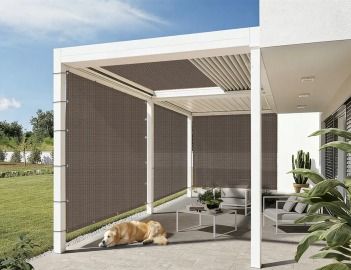
Can You Attach Shade Cloth to a Fence? (Easy Guide)
Yes, you can attach shade cloth to a fence—as long as the structure is strong enough and you use proper hardware and tensioning methods. When done correctly, installing fence shade cloth is a simple and effective way to add privacy, reduce heat, and improve outdoor comfort.
Is Your Fence Strong Enough to Support Shade Cloth?
Before learning how to attach shade cloth to fence, the first step is evaluating whether your fence can handle the load. While fence shade cloth is lighter than a tensioned shade sail, it still creates wind resistance, especially in large panels.
Wood fences with solid posts, metal frames, or reinforced vinyl fences are generally suitable. However, thin panels or aging structures may not provide enough support for shade cloth for privacy fence installations.
A practical rule is to check whether the fence can resist pulling force at multiple points. If the structure feels unstable when pushed, reinforcement may be necessary before attaching any fence shade cloth.
Top Benefits of Adding Shade Cloth to Garden or Boundary Fences
Installing shade cloth for privacy fence offers several functional and aesthetic advantages. It is commonly used in residential gardens, patios, and boundary fences where both shading and privacy are needed.
One major benefit is temperature control. High-quality HDPE fabric allows airflow while reducing heat buildup, which can lower the surrounding temperature by up to 15 degrees under certain conditions. This makes fence shade cloth particularly useful in hot climates.
Another advantage is durability. Premium HDPE materials resist fading, tearing, and UV damage, allowing shade cloth for privacy fence to maintain performance over time. In addition, built-in grommets simplify installation and reduce the risk of rust stains on nearby surfaces.
Essential Hardware for Attaching Shade Cloth to Wood, Vinyl, or Metal Fences
Choosing the right hardware is essential when deciding how to attach shade cloth to fence securely. The goal is to create even support across the entire fabric without causing damage to the fence.
Common attachment methods include zip ties, ropes, or bungee cords, which provide flexibility and allow for slight movement under wind pressure. For stronger installations, screws with washers or hooks can be used, especially when attaching fence shade cloth to wooden or metal frames.
It is important to distribute attachment points evenly along the edges. This prevents stress concentration and ensures that the shade cloth for privacy fence remains stable and visually clean.
Different fence materials require slightly different approaches when installing fence shade cloth. For wooden fences, screws combined with washers are often preferred because they provide a more secure hold compared to zip ties, especially for long-term installations. This method helps keep the shade cloth for privacy fence firmly in place even under moderate wind conditions.
For metal fences, such as chain-link or steel frames, zip ties or bungee cords are more commonly used. These allow flexibility and reduce the risk of damaging the structure while still maintaining adequate tension. When considering how to attach shade cloth to fence in these cases, spacing between ties becomes important to ensure even support.
Vinyl fences require more caution, as excessive drilling may weaken the panels. In most cases, using non-invasive fasteners such as clips or ties is a safer approach. Regardless of the material, ensuring that the fence shade cloth is evenly distributed and not overstressed at any single point will improve both durability and appearance over time.
Step-by-Step Guide to Securely Installing Fence Shade Cloth
A structured process helps ensure your fence shade cloth installation is both secure and long-lasting.
Step 1: Measure and Prepare
Measure the fence dimensions and cut the cloth to size if necessary. Ensure the fabric matches the intended coverage area.
Step 2: Position the Cloth
Align the shade cloth for privacy fence with the fence and temporarily secure it at the corners to check fit and alignment.
Step 3: Attach Along Edges
Start fixing the cloth from one side, working across evenly. Use consistent spacing between attachment points to avoid uneven tension.
Step 4: Adjust and Secure
Tighten all connections gradually. When learning how to attach shade cloth to fence, the goal is a smooth surface without excessive strain.
Common Mistakes to Avoid When Mounting Shade Cloth to Fences
Even simple installations can fail if key details are overlooked. One common mistake is attaching the fabric too tightly at one point, which creates uneven stress and may lead to tearing over time.
Another issue is insufficient attachment points. Large sections of unsupported fence shade cloth can flap in the wind, reducing durability and appearance.
Ignoring material quality is also a risk. Lower-grade fabrics may fade or weaken quickly, while high-quality shade cloth for privacy fence maintains performance under prolonged sun exposure.
How to Tension Your Fence Shade for a Professional Look
Proper tensioning is what separates a basic installation from a professional-looking result. When applying tension, the fabric should be firm but not overstretched.
Key tensioning tips:
- Keep spacing consistent between attachment points
- Apply gradual tension from one side to the other
- Allow slight flexibility to reduce wind stress
A well-tensioned fence shade cloth will appear smooth and stable, enhancing both functionality and visual appeal. Understanding how to attach shade cloth to fence correctly ensures long-term performance without unnecessary maintenance.
Additional Considerations for Long-Term Use
Beyond installation, long-term performance depends on environmental factors and maintenance habits. In areas with strong winds, it may be beneficial to use flexible connectors that allow the shade cloth for privacy fence to move slightly rather than resist force directly.
Seasonal care is also important. Removing or loosening the fence shade cloth during extreme weather can extend its lifespan. Regular inspections help identify early signs of wear, allowing timely adjustments.
Another factor is compatibility with surrounding structures. Ensuring that the cloth does not rub against sharp edges or rough surfaces will prevent unnecessary damage and maintain a clean appearance over time.
Practical Use Cases for Fence Shade Cloth
In real-world applications, fence shade cloth is used in a variety of scenarios beyond basic shading. In residential settings, it can create a more private backyard environment by blocking direct lines of sight.
For gardens, shade cloth for privacy fence helps protect plants from excessive sunlight while still allowing airflow. This balance is particularly useful for delicate plants that require partial shade.
In commercial or public spaces, larger installations of fence shade cloth can define boundaries, reduce glare, and improve comfort for users. Understanding how to attach shade cloth to fence properly ensures these benefits are achieved consistently.
Conclusion
Attaching fence shade cloth to a fence is a practical way to improve privacy, reduce heat, and enhance outdoor spaces. With proper materials and installation methods, it can deliver reliable long-term performance. For durable, well-designed options that simplify installation, SUNLAX offers solutions that combine quality materials with user-friendly design.