

What Is HDPE Shade Cloth? Benefits, Uses & Buying Guide
HDPE shade cloth is a breathable outdoor shade material made from high-density polyethylene (HDPE). Its knitted structure filters sunlight and UV radiation while allowing air to pass through, making it a practical choice for patios, gardens, balconies, playgrounds, parking areas, and other spaces that need shade without becoming enclosed. Depending on the fabric specification, HDPE shade cloth can provide roughly 85%–95% shade and significant UV reduction, although actual performance varies by construction, color, density, and manufacturer.
What Is HDPE Shade Cloth?
What Does HDPE Stand For?
HDPE stands for high-density polyethylene, a thermoplastic polymer widely used for products that need a combination of strength, low weight, and resistance to moisture and outdoor conditions.
For shade applications, HDPE is typically manufactured into yarn or tape and then knitted into an open mesh. The resulting HDPE fabric is different from a solid plastic sheet: it has a controlled open structure that provides shade while maintaining airflow.
Why HDPE Is Commonly Used for Outdoor Shade Products
Outdoor shade materials must handle prolonged sunlight, temperature changes, moisture, and mechanical stress. UV-stabilized HDPE is well suited to these conditions because it can resist degradation while remaining relatively lightweight.
Commercial HDPE shade fabrics are also available in different shade factors and constructions. For example, some knitted products range from about 30% to 90% shade, allowing the material to be selected according to the amount of sunlight that needs to be filtered.
How Does HDPE Shade Cloth Work?
Breathable Knitted Fabric Explained
Unlike a solid outdoor cover, HDPE shade cloth uses a knitted HDPE mesh structure. The spaces between the knitted yarns allow air to move through the material rather than collecting underneath it.
This design is particularly useful in hot outdoor environments. A shade cloth can reduce direct solar exposure without creating the stagnant, enclosed feeling that may occur beneath an impermeable covering.
How HDPE Blocks UV While Allowing Airflow
The yarn density, weave or knit construction, color, and shade percentage all influence how much sunlight and UV radiation can pass through. Commercial HDPE fabrics can achieve approximately 90%–95% UV blocking, but the exact figure should always be checked against the manufacturer's tested specification rather than assumed from the material name alone.
This balance between solar protection and ventilation is one reason HDPE sun shade products are commonly used where cooling and airflow are more important than complete rain protection.
Benefits of HDPE Shade Cloth
Excellent UV Protection and Cooling Performance
A major reason to install HDPE shade fabric is to reduce exposure to direct sunlight. Depending on the selected fabric, commercial shade materials can block more than 90% of UV radiation. Some architectural HDPE fabrics report UV blocking above 95%.
Shade also reduces the amount of solar radiation reaching surfaces underneath, which can make patios, play areas, pool decks, and parking spaces more comfortable.
Breathability Without Trapping Heat
A breathable shade cloth allows air to circulate through the knitted openings. Heat can therefore dissipate instead of accumulating beneath a completely solid cover.
This is an important distinction when comparing HDPE shade cloth with waterproof materials. HDPE is generally designed primarily for sun and heat management, not complete rain exclusion.
Lightweight, Durable, and Tear Resistant
Knitted HDPE combines relatively low weight with good mechanical strength. Lock-stitch constructions are specifically designed to reduce unraveling and resist tearing or fraying.
For larger installations, reinforced edges and appropriate attachment hardware are still essential. The fabric itself should not be considered a substitute for properly engineered mounting points.
Mold, Mildew, and Weather Resistance
HDPE does not readily absorb moisture, which helps it resist mold and mildew under normal outdoor conditions. UV stabilization also improves its suitability for prolonged exposure to sunlight.
However, resistance does not mean immunity. Dirt, standing moisture, excessive tension, strong winds, and unsuitable installation can shorten the useful life of any outdoor fabric.
Low Maintenance and Long Service Life
Most HDPE fabric installations require relatively little routine care. Periodic inspection, gentle cleaning, and checking the attachment points can help maintain performance.
Service life varies considerably with fabric quality, UV exposure, climate, installation, and use. Therefore, a manufacturer's tested warranty and technical specifications are more useful indicators than a generic lifespan claim.
Where Can You Use HDPE Shade Cloth?
Patios and Pergolas
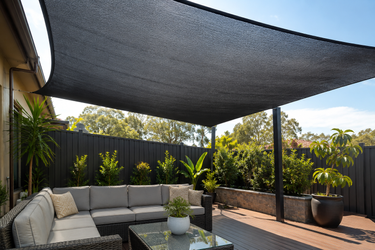
HDPE shade cloth works well over patios, decks, pergolas, outdoor kitchens, and poolside areas where people need protection from direct sun while retaining ventilation.
For irregular spaces, a custom-made shade solution can be more effective than trying to adapt a standard rectangle. SUNLAX, for example, offers breathable HDPE shade sails in triangle, rectangle, and quadrilateral configurations, including custom-made options.
Gardens and Greenhouses
Gardens, nurseries, and greenhouses can use HDPE mesh to control the intensity of sunlight reaching plants. The appropriate shade percentage depends on the crop, climate, season, and growing conditions, so there is no single percentage that works for every plant.
Lower shade levels may be suitable when plants still require substantial light, while higher-density fabrics can be considered for applications requiring stronger solar reduction.
Balconies and Privacy Screens
A breathable HDPE shade fabric can serve both sun-control and privacy purposes on balconies. Its open structure provides airflow while limiting direct views and sunlight.
SUNLAX currently offers an HDPE breathable balcony privacy screen alongside a waterproof PES option, giving users a choice based on whether airflow or rain protection is the higher priority.
Fence Covers, Playgrounds, Parking Areas, and Commercial Spaces
HDPE shade materials are also used for fence screening, children's play areas, parking structures, courtyards, restaurants, schools, and recreational facilities.
For commercial projects, fabric weight, UV performance, tensile strength, fire requirements, structural design, and local regulations should all be reviewed before specification.
HDPE Shade Cloth vs Other Shade Materials
| Material | Main advantage | Main limitation | Best suited for |
| HDPE | Breathable, UV-resistant, lightweight | Usually not waterproof | Hot outdoor areas needing airflow |
| PVC | Strong and can provide weather protection | Heavier and less breathable | Waterproof or more enclosed applications |
| Polyester | Flexible and available with coatings | Performance depends heavily on coating and construction | Waterproof or decorative shade applications |
HDPE vs PVC
PVC-coated fabrics can provide stronger water resistance and are useful when rain protection is a primary requirement. However, a solid PVC-based cover generally does not provide the same open-air ventilation as breathable HDPE shade cloth.
Therefore, choosing between them should start with the question: Do you need shade and airflow, or shade plus substantial weather exclusion?
HDPE vs Polyester Fabric
Polyester can be engineered for outdoor use and coated to improve water resistance. It is therefore common in awnings and waterproof shade products.
HDPE is more naturally suited to breathable mesh applications. For example, SUNLAX separates breathable HDPE shade sails from waterproof PES shade sails, reflecting this functional distinction.
Which Material Is Best for Your Project?
There is no universally best shade cloth material. The right choice depends on climate, desired shade level, rain protection, installation structure, appearance, and budget.
For a hot patio where ventilation is important, HDPE is often a logical choice. For a space that must remain substantially protected from rain, a waterproof coated fabric may be more appropriate.
How to Choose the Right HDPE Shade Cloth
Selecting the Right Shade Percentage
Shade percentage indicates how much sunlight the fabric is designed to filter, but it should not automatically be treated as an identical measure of UV protection. Different fabrics can have different UV-blocking performance at similar shade levels.
Before buying UV resistant shade cloth, check both the shade factor and the manufacturer's UV test data. For plants, also consider their light requirements rather than simply selecting the highest percentage available.
Choosing Colors and Sizes
Color affects appearance, light transmission, and sometimes measured UV performance. Darker fabrics may provide strong visual shade, while lighter colors can create a brighter appearance beneath the covering.
Size should be determined from the actual mounting points, not merely the dimensions of the area being covered. For tensioned installations, allowance for hardware and proper tensioning is important.
Grommets, Reinforced Edges, and Custom Options
A shade cloth with grommets is easier to attach when the installation requires repeated fixing points. Reinforced perimeter webbing can also distribute loads around the edge and improve durability.
For unusually shaped patios, balconies, decks, or pool areas, custom fabrication can eliminate awkward gaps. SUNLAX states that its custom shade sails are precision-cut to supplied dimensions and use reinforced perimeters for wind stability, with both breathable and waterproof fabric options available.
Conclusion
HDPE shade cloth is a practical option for outdoor spaces that need reliable sun protection without sacrificing airflow. Its UV resistance, breathable construction, durability, and flexible applications make it suitable for patios, gardens, balconies, playgrounds, and commercial areas. Choosing the right shade percentage, size, fabric construction, and attachment method is essential for achieving the intended performance.
For custom-sized breathable shade solutions, SUNLAX offers HDPE shade sails, custom-made options, and outdoor privacy screens designed for different residential and commercial applications.
FAQ About HDPE Shade Cloth
Is HDPE shade cloth waterproof?
Usually, no. Breathable knitted HDPE allows air and water to pass through. If rain exclusion is required, consider a waterproof coated fabric instead.
How long does HDPE shade cloth last?
There is no universal lifespan. Fabric quality, UV stabilization, climate, tension, installation, and maintenance all affect durability. Always check the manufacturer's warranty and technical data.
Can HDPE shade cloth reduce heat?
Yes. By filtering direct solar radiation and allowing air movement, it can help make shaded outdoor areas more comfortable. Actual temperature reduction varies with climate, installation, color, and fabric density.
What is the best shade percentage for HDPE fabric?
It depends on the application. Plants, patios, playgrounds, and parking areas can have very different requirements. Select the percentage according to the intended use rather than assuming that maximum shading is always best.
Can HDPE shade cloth be customized?
Yes. Many manufacturers offer custom dimensions, shapes, reinforced edges, and attachment points. SUNLAX provides custom breathable HDPE shade sail options for applications where standard sizes do not fit the available space.