

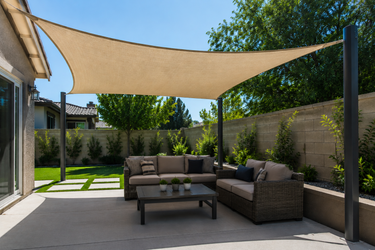
Can Shade Sails Save You Money on Energy Bills? The ROI of Shade
The short answer is yes—shade sails can help reduce energy consumption and lower cooling expenses under the right conditions. By blocking solar heat before it reaches windows, walls, patios, and outdoor living spaces, shade sails can reduce heat gain around a property. This may decrease air-conditioning demand, improve outdoor comfort, and contribute to a positive shade sail ROI over time.
While shade sails are often purchased for UV protection and outdoor comfort, their impact on household energy efficiency is increasingly attracting attention. As utility costs continue to rise in many regions, homeowners are searching for practical energy saving tips summer strategies that deliver measurable value without requiring major renovations.
Understanding How Solar Heat Increases Energy Bills
Before discussing savings, it is important to understand where cooling costs originate.
During summer, sunlight strikes roofs, walls, windows, decks, patios, and paved surfaces. These materials absorb heat and gradually release it into surrounding areas. As temperatures around the home rise, indoor cooling systems must work harder to maintain comfortable conditions.
The U.S. Department of Energy has reported that solar heat gain through windows is one of the largest contributors to residential cooling loads in warm climates. Reducing this heat gain can directly influence overall outdoor cooling cost and indoor energy consumption.
According to the U.S. Department of Energy, exterior shading devices can be more effective than interior window coverings because they stop solar radiation before it enters the building envelope.
This is where strategically positioned shade structures become valuable.
How Shade Sails Help Reduce Heat Gain
Unlike interior blinds or curtains, shade sails intercept sunlight before it reaches the building envelope.
When properly installed, a shade sail can block a significant portion of direct solar radiation from striking windows, doors, outdoor seating areas, and adjacent surfaces.
Because heat is prevented from accumulating in the first place, cooling systems may not need to operate as frequently or as intensely.
This preventative approach is one reason many homeowners consider shade sails among the most practical energy saving tips summer solutions available.
Areas Where Shade Sails Can Reduce Heat Exposure
| Location | Potential Benefit |
|---|---|
| South- or West-Facing Windows | Reduces direct afternoon heat gain |
| Patios and Decks | Creates cooler outdoor living spaces |
| Glass Doors | Limits solar heat entering the home |
| Outdoor Dining Areas | Improves comfort without mechanical cooling |
| Poolside Seating | Reduces surface temperatures and glare |
The effectiveness of shade depends on sail placement, local climate, and sun orientation throughout the day.
The Relationship Between Outdoor Comfort and Energy Use
Many people focus only on indoor cooling costs.
However, improving outdoor comfort can also influence energy consumption patterns.
A shaded patio or backyard often becomes a usable living space during warmer months. Instead of remaining indoors with air conditioning running continuously, homeowners may spend more time outside in naturally comfortable environments.
This shift can contribute to lower overall outdoor cooling cost while enhancing quality of life.
The value of shade is therefore measured not only in utility savings but also in expanded outdoor usability.
What Is Shade Sail ROI?
ROI, or return on investment, refers to the value generated compared with the initial cost of a product.
When evaluating shade sail ROI, homeowners should consider several factors:
- Potential reduction in cooling expenses
- Increased outdoor living space usage
- Protection of outdoor furniture
- Reduced UV damage to surfaces
- Long-term durability of the shade structure
Unlike some home improvement projects that require extensive construction, shade sails often deliver benefits immediately after installation.
This can make them an attractive option for property owners seeking practical energy-efficiency improvements.
Comparing Shade Sails with Other Cooling Strategies
Homeowners have many options when trying to reduce summer heat.
Some solutions involve significant construction costs, while others focus on operational efficiency.
Common Cooling Strategies Compared
| Solution | Initial Cost | Ongoing Energy Use | Outdoor Comfort Benefit |
|---|---|---|---|
| Air Conditioning Upgrade | High | High | Limited |
| Window Film | Medium | None | Minimal |
| Trees and Landscaping | Medium | None | Good |
| Pergola | High | None | Good |
| Shade Sail | Moderate | None | Excellent |
Shade sails stand out because they provide both energy-related benefits and immediate improvements to outdoor comfort.
For homeowners researching energy saving tips summer, this combination can be particularly appealing.
Climate Matters: Where Shade Sails Deliver the Greatest Value
Not every location experiences the same cooling demands.
Properties located in regions with intense sunlight and long summers often see the greatest potential benefit from shade structures.
Examples include:
| Climate Type | Potential Energy-Saving Benefit |
|---|---|
| Hot & Dry | Significant reduction in solar heat gain |
| Hot & Humid | Improved outdoor comfort and reduced cooling demand |
| Mediterranean | Better patio usability during summer afternoons |
| Tropical | Reduced direct UV exposure and surface temperatures |
| Temperate | Seasonal cooling benefits during warmer months |
Properties located in these climates often achieve the strongest shade sail ROI because cooling loads are generally higher.
Choosing the Right Fabric for Energy Efficiency
The performance of a shade sail depends heavily on material selection.
Breathable HDPE fabrics are designed to allow airflow while blocking a high percentage of UV radiation. This helps prevent heat buildup beneath the canopy and creates a cooler environment.
Waterproof PES fabrics provide additional rain protection while also reducing direct solar exposure.
Choosing the correct material depends on local climate, intended use, and desired balance between airflow and weather protection.
Material quality can have a meaningful impact on overall shade sail ROI.
Custom sizing can further improve performance by ensuring that high-exposure areas receive maximum coverage while minimizing gaps that allow unwanted solar heat gain.
Can Shade Sails Protect Outdoor Investments?
Energy savings are only one component of long-term value.
Outdoor furniture, decking materials, vehicles, grills, and recreational equipment can all suffer from prolonged UV exposure.
Additional Assets That Benefit from Shade Protection
- Outdoor dining furniture
- BBQ grills and cooking stations
- Garden equipment
- Children's play equipment
- Poolside seating and loungers
By reducing direct sunlight, shade sails may help slow fading, cracking, and material degradation.
This indirect financial benefit is often overlooked when calculating shade sail ROI.
In many cases, preserving outdoor assets can represent substantial value over the lifespan of the shade system.
Designing a Shade Sail System for Maximum Efficiency
Effective installation is just as important as selecting the right material.
Best Practices for Maximizing Shade Sail ROI
- Prioritize west-facing areas that receive intense afternoon sun.
- Shade windows and glass doors whenever possible.
- Create coverage over frequently used outdoor spaces.
- Use custom sizing to eliminate unnecessary gaps.
- Maintain proper tension for optimal performance and longevity.
Thoughtful placement allows homeowners to maximize both comfort and energy-related benefits.
A poorly positioned sail may provide shade while delivering only limited efficiency improvements.
Additional Benefits Beyond Energy Savings
Many homeowners initially install shade sails for practical reasons but continue to appreciate additional advantages.
These benefits may include improved curb appeal, enhanced outdoor entertainment spaces, increased property usability, and better protection from harmful UV exposure.
Because shade sails serve multiple purposes simultaneously, their overall value often exceeds simple utility bill calculations. This broader perspective is important when evaluating long-term shade sail ROI.
Conclusion
While exact savings vary depending on climate, building design, and installation strategy, shade sails can contribute to lower cooling demands and improved outdoor comfort. By reducing solar heat gain before it reaches your home, they offer a practical way to support energy efficiency while making outdoor spaces more enjoyable.
For homeowners seeking effective energy saving tips summer, reducing outdoor cooling cost, and achieving a strong shade sail ROI, a well-designed shade sail system can be a smart long-term investment. SUNLAX offers custom HDPE breathable and waterproof PES shade sails that help homeowners create comfortable, energy-conscious outdoor environments tailored to their specific needs.
FAQ
Do shade sails really lower cooling costs?
Shade sails can reduce solar heat gain around windows, patios, and outdoor living areas, potentially reducing cooling demand during hot weather.
Are breathable shade sails better for energy efficiency?
In most hot climates, breathable HDPE shade sails help promote airflow while blocking UV radiation, making them highly effective for outdoor cooling.
How long does it take to see a return on investment?
The timeline varies based on climate, energy prices, and installation location. Many homeowners begin experiencing comfort benefits immediately after installation.
Can shade sails reduce patio temperatures?
Yes. Properly installed shade sails can significantly reduce surface temperatures and create more comfortable outdoor spaces during summer.