

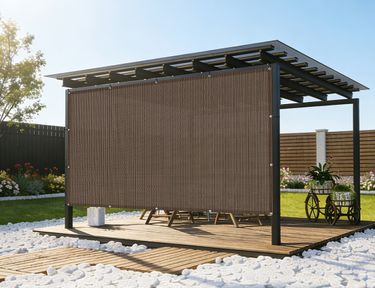
What Color Shade Cloth is Best for Sun Protection?
The best color shade cloth for sun protection depends on your priority: darker colors generally provide stronger UV blocking and glare reduction, while lighter colors reflect more sunlight and help maintain a brighter outdoor environment. In practical outdoor applications, black, dark gray, and deep green fabrics are often chosen for maximum UV filtering, while lighter options such as beige or white shade cloth are popular for patios where aesthetics and brightness matter equally.
Choosing the right sunblock shade cloth is not only about appearance. Color can affect heat absorption, glare levels, visibility, and even long-term durability. For patios, pools, gardens, and pergolas, understanding how color performs under outdoor conditions can help homeowners select a shade solution that balances comfort, protection, and visual design.
Modern HDPE shade fabrics are engineered to provide UV resistance while still allowing airflow, making them suitable for residential and commercial outdoor spaces.
The Science of Color: How Different Shades Block UV and Heat
Shade cloth color influences how sunlight is absorbed, reflected, and transmitted through the fabric. Darker fabrics absorb more visible light, while lighter colors reflect a larger percentage of solar radiation.
In outdoor shading systems, UV protection depends not only on color but also on fabric density, knit structure, and material quality. A high-density HDPE fabric may block a large percentage of harmful UV rays regardless of whether the cloth is black, sand, gray, or green.
However, color still changes the user experience underneath the canopy.
Darker sunblock shade cloth options generally:
- Reduce glare more effectively
- Improve visual comfort in bright areas
- Create deeper shaded environments
Lighter fabrics such as white shade cloth commonly:
- Reflect more sunlight
- Maintain a more open visual atmosphere
- Reduce the feeling of enclosed darkness
Research from outdoor material studies and ultraviolet shielding testing shows that darker shade fabrics can sometimes provide slightly better UV filtering because they absorb more radiation before it passes through the material surface.
At the same time, lighter colors may help reduce radiant heat buildup around patios and seating spaces because more sunlight is reflected away from the surface.
For this reason, both dark and light shade fabrics remain popular depending on climate and outdoor design goals.
Dark Colors vs. Light Colors: Which Offers Better UV Protection?
When comparing dark and light shade fabrics, the difference in UV protection is usually smaller than many homeowners expect. Material construction often matters more than color alone.
A professionally manufactured HDPE sunblock shade cloth can achieve high UV blockage rates across multiple color options when the fabric density remains consistent.
Dark colors such as charcoal, black, navy, or forest green are commonly preferred in:
- High-glare environments
- Poolside relaxation areas
- Commercial seating spaces
- Outdoor entertainment zones
These colors help reduce reflected brightness and may improve comfort during strong afternoon sunlight.
By comparison, lighter tones including beige, cream, or white outdoor shade textile are often selected for:
- Minimalist home designs
- Bright patios and terraces
- Mediterranean-inspired outdoor spaces
- Areas where visual openness is important
Although lighter fabrics may allow slightly more brightness underneath, they still provide meaningful ultraviolet shielding when produced with high-quality outdoor-grade materials.
In extremely hot climates, breathable lighter-colored fabrics may create a cooler visual environment because they reflect more direct sunlight. Meanwhile, darker fabrics often provide stronger contrast and a more defined shaded atmosphere.
The best choice depends on whether the priority is maximum glare reduction or maintaining an airy and visually open outdoor setting.
Why Fabric Quality Matters More Than Color Alone
Many buyers focus entirely on color while overlooking the importance of fabric engineering. In reality, UV stabilization, knit density, tensile strength, and weather resistance often have a greater impact on long-term performance than the color itself.
High-quality HDPE fabrics are typically treated with UV stabilizers to slow material degradation caused by prolonged sun exposure. These stabilizers help maintain flexibility and reduce premature brittleness.
A low-quality dark fabric may fade or weaken faster than a professionally manufactured lighter fabric with stronger UV treatment.
For outdoor installations exposed to constant sunlight, material durability should always be evaluated alongside aesthetics.
Aesthetics and Design: Choosing a Color That Complements Your Home
Color selection also plays a major role in outdoor design consistency. A shade fabric should complement surrounding architecture, landscaping, and furniture rather than overpower the outdoor space.
Neutral tones remain among the most versatile options for modern homes because they blend well with wood, concrete, stone, and metal finishes.
Popular choices for residential outdoor areas include:
- Sand
- Beige
- Charcoal
- Light gray
- Dark gray
Dark colors tend to create a more dramatic and contemporary appearance, especially in modern outdoor entertainment areas.
Lighter fabrics often contribute to a softer and brighter atmosphere suitable for gardens, balconies, and relaxed patio spaces.
For commercial environments such as cafes, restaurants, and resort seating areas, darker outdoor shading fabric colors are frequently selected because they maintain a cleaner appearance under frequent outdoor use.
Color coordination can also influence perceived space size. Lighter tones visually expand smaller patios, while darker shades create stronger contrast and architectural definition.
When multiple sails are installed together, combining complementary tones may create a layered resort-style appearance without overwhelming the outdoor environment.
Visibility and Glare: How Color Affects Your Outdoor View
Shade cloth color changes how people see through the material from underneath the canopy. Darker fabrics generally improve outward visibility because they reduce reflected glare on the fabric surface.
This principle is similar to the way darker window screens often appear easier to see through during daylight hours.
Black and charcoal fabrics may therefore provide:
- Better outdoor visibility
- Reduced eye strain
- Improved comfort around pools or reflective surfaces
Lighter fabrics such as white shade fabric often produce a brighter environment beneath the canopy but may increase perceived glare in highly reflective areas.
For poolside installations, glare reduction can become especially important because water surfaces already reflect significant amounts of sunlight.
Homeowners installing shade systems above outdoor dining spaces, lounge seating, or garden relaxation areas often choose darker fabrics to create a calmer visual atmosphere.
However, lighter shades may remain preferable for smaller balconies or enclosed patios where maintaining brightness is a higher priority.
The best visibility balance usually depends on local climate conditions, surrounding surfaces, and personal comfort preferences.
Durability Comparison: Do Some Colors Fade Faster Than Others?
All outdoor fabrics experience gradual weathering over time, especially under constant UV exposure. However, some colors may show fading more visibly than others.
Darker colors generally conceal dirt and stains more effectively, making them popular for high-use outdoor environments.
At the same time, prolonged sun exposure may cause visible fading on dark fabrics over multiple seasons, especially when lower-quality materials are used.
Lighter colors sometimes display discoloration less dramatically, although dirt buildup can become more noticeable in dusty environments.
High-quality HDPE sunblock shade fabric materials are typically manufactured with UV-resistant pigments and stabilization treatments to slow color degradation.
Several environmental factors influence fabric lifespan:
- UV intensity
- Humidity levels
- Wind exposure
- Air pollution
- Saltwater conditions near coastal regions
Under normal outdoor conditions, many professionally manufactured shade fabrics provide an estimated service life of approximately 3–5 years or longer depending on maintenance and climate exposure.
Routine cleaning and seasonal inspection may help maintain appearance and structural performance over time.
Maintenance Tips for Long-Term Color Performance
Proper maintenance helps preserve both fabric strength and color consistency.
For routine cleaning:
- Use mild soap and water
- Avoid aggressive chemical cleaners
- Rinse debris regularly
- Allow fabric to dry completely before storage
In regions with severe storms or heavy snowfall, temporary removal during extreme weather may reduce unnecessary stress on the fabric.
Good airflow around the canopy also helps reduce moisture buildup and mildew formation.
Regular inspection of mounting hardware and fabric tension may improve both safety and long-term appearance.
Sunlax Color Chart: Popular Choices for 2026
Outdoor design trends for 2026 continue moving toward neutral and natural-inspired color palettes that blend with landscaping and contemporary architecture.
Popular outdoor shading fabric colors currently include:
- Charcoal gray
- Sand beige
- Graphite black
- Stone gray
- Cream white
- Olive green
Charcoal and dark gray remain highly popular for modern patios because they balance UV reduction with contemporary aesthetics.
Meanwhile, white shade cloth and beige fabrics continue gaining popularity for coastal homes, rooftop terraces, and resort-inspired outdoor spaces where brightness and openness are important.
Neutral earth-tone palettes also work well with wood decking, outdoor kitchens, pergolas, and minimalist landscaping designs.
For custom outdoor projects, selecting the right color often involves balancing:
- UV protection goals
- Desired brightness levels
- Architectural compatibility
- Climate conditions
- Maintenance preferences
Many homeowners now combine multiple sail colors in overlapping layouts to create visual depth while improving coverage flexibility.
This layered design approach is increasingly common in residential entertainment spaces and commercial outdoor seating areas.
Conclusion
The best outdoor shade textile color for sun protection depends on how you balance UV reduction, glare control, airflow, and outdoor aesthetics. Darker fabrics often improve glare reduction and visibility, while lighter colors such as white shade cloth help maintain a brighter atmosphere. Choosing high-quality HDPE material remains one of the most important factors for long-term durability and effective UV protection. For breathable outdoor shade solutions in multiple modern colors and custom sizes, SUNLAX offers practical options suitable for patios, pools, gardens, and commercial outdoor spaces.